
Eye Health Careers
Ophthalmology
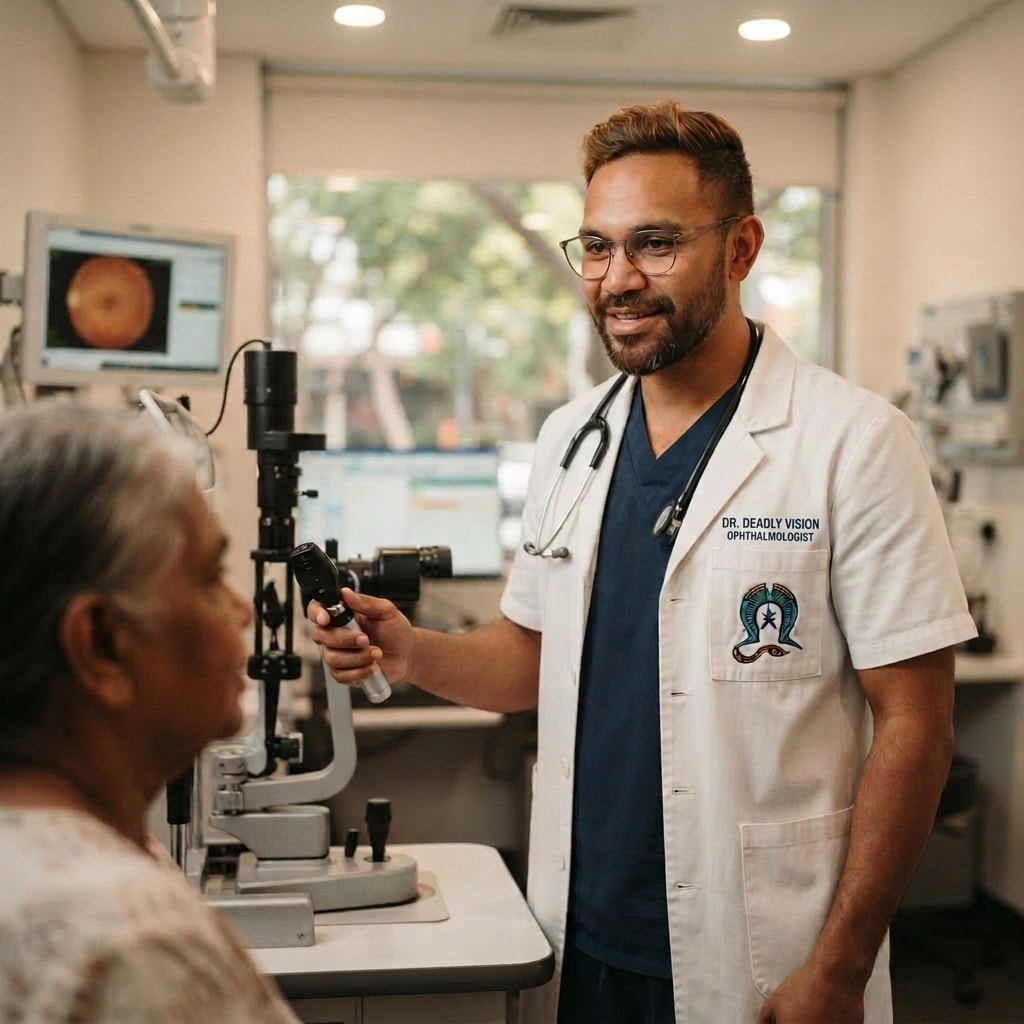
Ophthalmology is the branch of medicine specialising in the anatomy, physiology, and diseases of the eye and visual system.
It encompasses both medical and surgical treatment of eye disorders, playing a central role in preserving and restoring sight across all age groups.
Scope and subspecialties
Ophthalmology covers the full spectrum of eye care — from prescribing corrective lenses to performing complex surgeries. Subspecialties include cornea and external disease, retina and vitreous, glaucoma, neuro-ophthalmology, paediatric ophthalmology, oculoplastics, and refractive surgery. Each area addresses distinct structures or patient groups, often requiring fellowship training after residency.
What does an ophthalmologist do?
Ophthalmologists are medical doctors who specialise in eye surgery and disease management. They:
- Diagnose and treat complex eye diseases
- Perform eye surgeries (cataract, retinal surgery, laser procedures)
- Manage trauma and severe eye conditions
- Prescribe medications for serious ocular diseases
- Lead multidisciplinary eye care teams
Where do ophthalmologists work?
- Public and private hospitals
- Specialist eye clinics
- Surgical centres
- Academic and research institutions
Skills needed for ophthalmology
Education and Training Pathway
Medical degree (5–6 years or postgraduate entry)
Internship and residency (2–3 years)
Specialist training via RANZCO (~5 years)
Total training time: approximately 12–14 years
Career opportunities and progression
Job outlook and lifestyle
- Very high demand and high earning potential
- Long and demanding training pathway
- High responsibility and occasional on-call emergencies
- Balanced later in career, especially in private practice
Is ophthalmology a good career for you?
Ophthalmology is a good fit if you:
- Want to be a medical doctor
- Are comfortable with long training
- Enjoy surgery and high-level decision-making
Download the Infographic
Save this workforce pathways infographic as a PDF to share or reference offline.
Ophthalmology Workforce Pathways Infographic (PDF)