Eye Health Career
Eye Health Coordinator
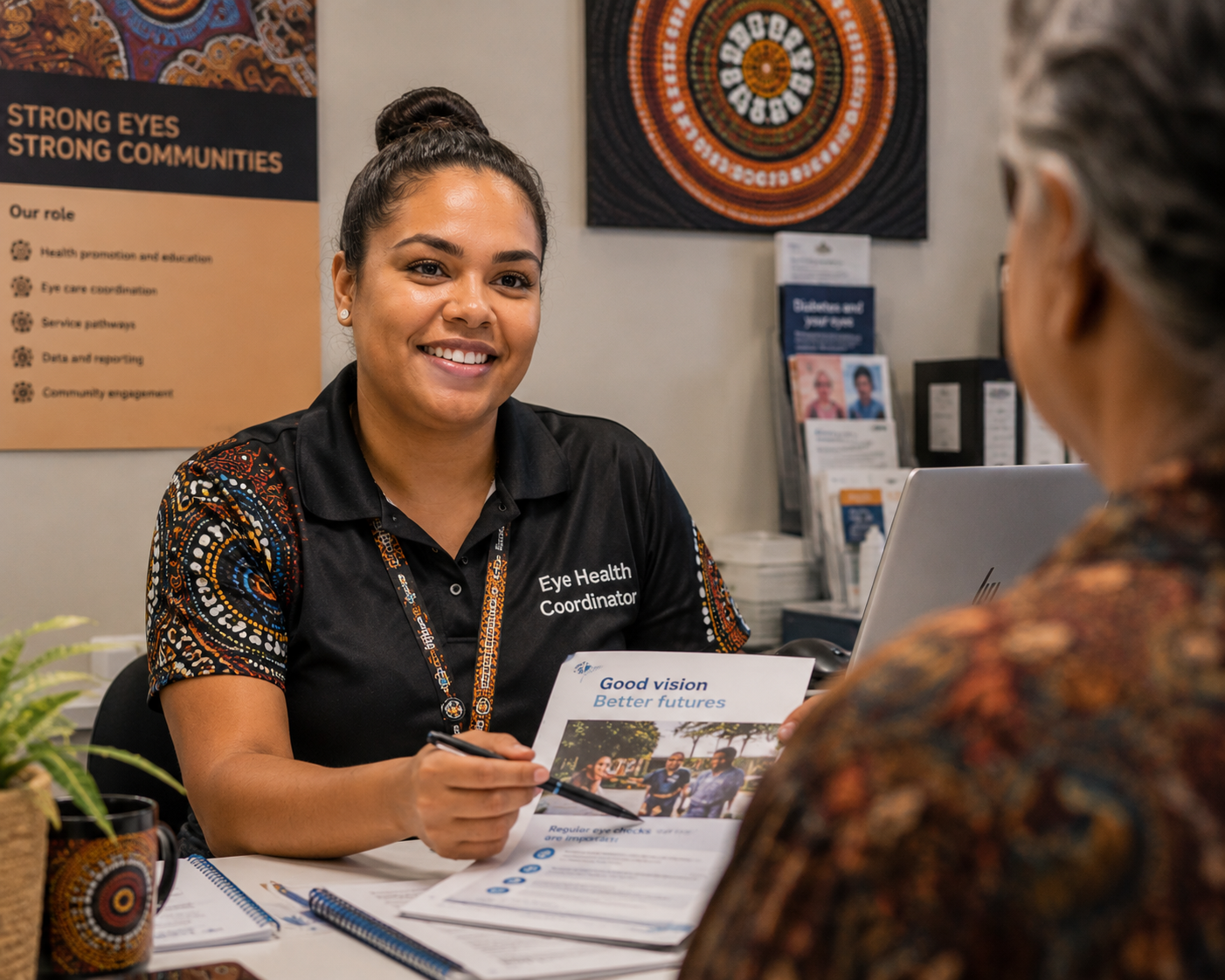
Eye health coordinators are community health workers who connect First Nations people with eye care services and support them through the health system.
Eye health coordinators are the connective tissue of community eye health. They work within Aboriginal Community Controlled Health Organisations and other health services to identify people who need eye care, help them access services, and follow up to make sure treatment is completed. This role is especially important in remote and rural communities where barriers to care are greatest.
What Eye Health Coordinators Do
Eye health coordinators bridge the gap between community members and clinical eye health services.
- Identify community members who need eye health assessments
- Coordinate referrals to optometrists, ophthalmologists, and other specialists
- Support patients through the health system from referral to treatment
- Follow up on missed appointments and support treatment completion
- Conduct community education and awareness activities
- Collect and manage patient data and health records
Where They Work
- Aboriginal Community Controlled Health Organisations (ACCHOs)
- Remote and rural community health centres
- State and territory health departments
- Non-government organisations in eye health
- Hospital outreach and visiting specialist programs
Skills & Qualities
Eye health coordinators need a blend of community knowledge, organisational skills, and genuine care for people.
Education Pathway
Complete Year 10 or Year 12 (or equivalent)
Certificate III or IV in Aboriginal and/or Torres Strait Islander Primary Health Care
On-the-job training with an ACCHO or eye health organisation
Specialist eye health coordinator training (FNEHA programs)
Career Roles
Career Outlook
- High demand in First Nations community health settings
- Critical role in closing the gap in preventable blindness
- Growing investment in community-controlled eye health programs
- Opportunities to progress into health management and leadership
- Deeply meaningful work with direct community impact
Is This Career for You?
Eye health coordination is perfect for people who are deeply connected to their community and want to make a real difference.
- You have strong community connections and cultural knowledge
- You want to help mob access the eye care they need
- You're organised and good at following through
- You want a vocational pathway into health care
Real stories from eye health
Meet Kerry Woods (Everett)
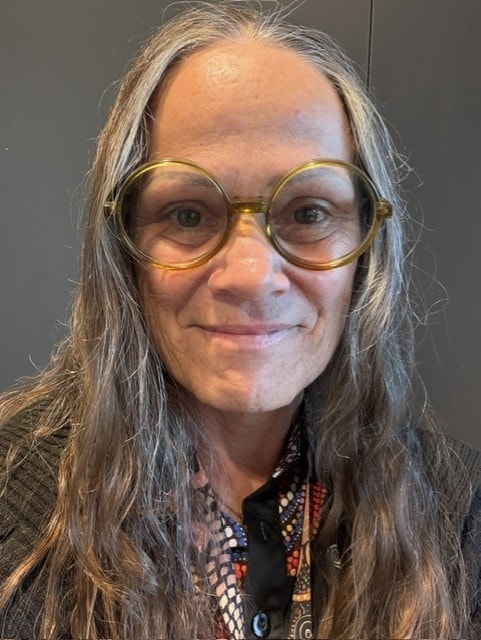
Kerry Woods (Everett)
Eye Health Coordinator | Lions Outback Vision
"I didn't set out to work in eye health specifically, but once I became involved, I saw the difference that good vision makes to people's everyday life."
Kerry Woods (Everett) is an Eye Health Coordinator with Lions Outback Vision. For Kerry, working in eye health is rewarding and meaningful because it provides an opportunity to make a real difference by improving access to eye care.
Working alongside communities, health services and eye-care professionals, Kerry helps people access and understand the care they need. She sees the gaps in access and works to help overcome them so Aboriginal people can receive the right care, when they need it.
Kerry says working in Aboriginal eye health has reinforced the importance of listening, building relationships and working together — and her advice to people considering an eye-health career is to be open to opportunities and never stop learning.
Your knowledge, your culture and your leadership are so important. You have the opportunity to shape the future of eye health and inspire others to follow in your footsteps.
Download the Infographic
Save this workforce pathways infographic as a PDF to share or reference offline.
Eye Health Coordinator Workforce Pathways Infographic (PDF)